
32 million patients, and no permanent funding.
Most people in the United States have never used the phrase "federally qualified health center," and a good number of them have been to one.
Community health centers serve more than 32 million people a year, across roughly 1,400 organizations and more than 15,000 sites. That is about one in eleven people in the country. In rural America it is closer to one in five.
Who walks in
The patient mix is the entire point of the model. Around 90 percent of health center patients live at or below 200 percent of the federal poverty level. About one in five has no insurance at all. Roughly half are covered by Medicaid.
Health centers are required to see them regardless. An organization taking federal Health Center Program funding has to serve everyone in its community, offer a sliding fee scale based on income, and be governed by a board on which the majority are patients of the center. That last requirement is unusual in American healthcare, and it is not decorative. It is a large part of why these organizations behave the way they do.
What that produces
In a lot of counties, the health center is the only place doing primary care, behavioral health, dental, and pharmacy under one roof, for people who would otherwise treat an emergency department as their clinic. When it works, it is the least glamorous cost control in American healthcare.
And the part that goes unsaid
The model is underfunded in a specific and unusual way.
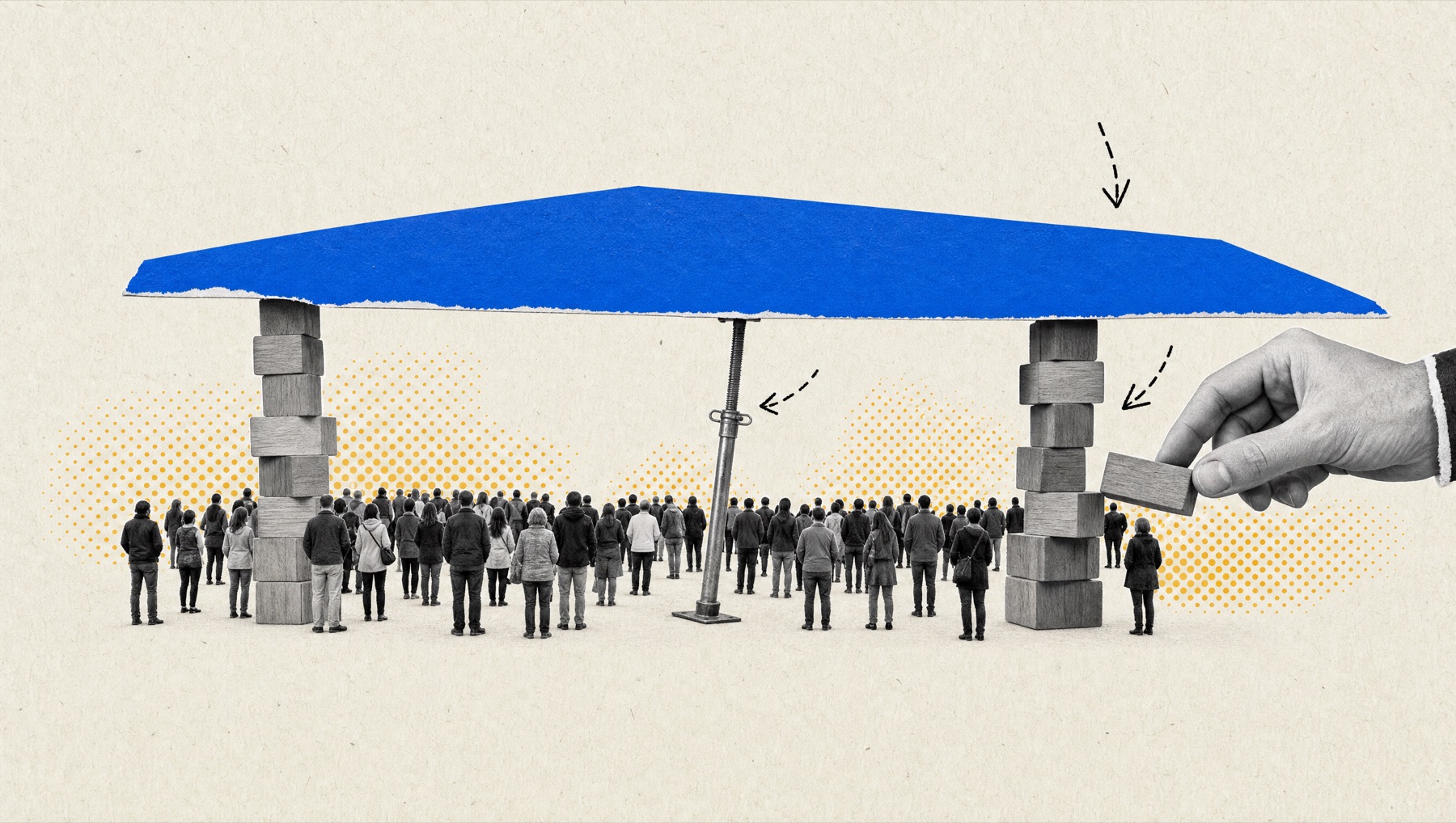
Most federal grant money for health centers flows through the Community Health Center Fund, which is not permanent. It has been extended in short increments for years, sometimes a few months at a time, and each expiry brings another public argument about a funding cliff. It is difficult to plan a hiring cycle against a budget line that might be renewed for ninety days. It is close to impossible to plan a new site.
Then there is coverage. When states resumed Medicaid eligibility checks in 2023, after the pandemic-era pause on disenrollments ended, more than 25 million people were removed from Medicaid rolls. KFF's tracking found that the large majority of those disenrollments were procedural rather than substantive: missed mail, an address that had changed, paperwork that did not arrive. Many of those people were still eligible.
For a health center, that is not an abstraction on a policy blog. It is the same patient, on the same schedule, with the same diabetes, now uninsured. The center still sees them. What changes is whether the visit gets paid for.
The staffing squeeze underneath it
Health centers compete for clinicians with hospital systems that pay more and demand less coordination work. Sector surveys have put vacancy rates near one in five positions. The people who stay carry more, and a lot of what they carry is not clinical.
This is a design problem, not a willpower problem
There is a version of this story where the conclusion is that health center staff are heroes who deserve to be thanked. They are, and they do. But gratitude does not close a referral loop.
The strain inside a health center is rarely in the medicine. It sits in the layer wrapped around the visit: documentation, signatures, coordination with home health and pharmacy and specialists, and the billing that follows. That layer is where the hours go and where the money leaks. It is also, unlike the funding cycle or the Medicaid rules, something a health center can actually hand to someone else.
Sources
- 1.Health Resources and Services Administration (HRSA), Health Center Program Uniform Data System.
- 2.National Association of Community Health Centers, America's Health Centers fact sheets.
- 3.KFF, Medicaid Enrollment and Unwinding Tracker.
- 4.HRSA Health Center Program requirements, including sliding fee scale and patient-majority governing board.
This is what we built to fix it.
The operational layer behind everything written about here.